History of St. Luke’s Medical Trust
Dr. Rathnam Vedapodakam, born in 1888, graduated from Stanley Medical College. He served as the Medical Superintendent at St. Luke’s Hospital, Nazareth, from 1923 to 1953.
After retiring, he established St. Luke’s Leprosarium in Peikulam in 1954. Despite his retirement, he continued working as a consultant for eye surgeries at Nazareth Hospital while dedicating himself to leprosy care at the leprosarium until the age of 92 in 1980.
Dr. Rathnam Vedapodakam was known as the first Black missionary, and St. Luke’s Leprosarium, Peikulam became the first mission hospital established in post-independence India.
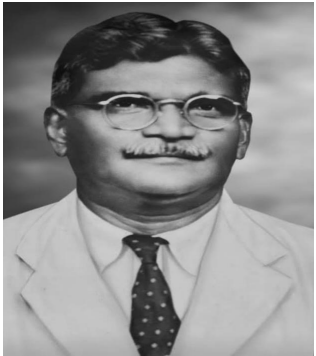
Dr. Rathnam Vedapodakam
Founder – St. Luke’s Leprosarium
1888–1980
Foundation and Growth
Inspired by the biblical disciple Luke, a physician, Dr. Vedapodakam named the leprosarium St. Luke’s.
He faced significant challenges in establishing the hospital, as villagers feared having a leprosy hospital nearby. He appealed to the District Collector, who, after verifying his claims, allotted one acre of land on the outskirts of the village.
Through purchased land and generous donations from well-wishers, the hospital expanded into a seven-acre campus. In addition, a rehabilitation centre for leprosy relief activities was established approximately five kilometers away on a 275-acre campus, largely acquired through contributions from supporters.
As leprosy relief efforts grew, St. Luke’s Leprosarium became a referral centre for leprosy patients across South Tamil Nadu.
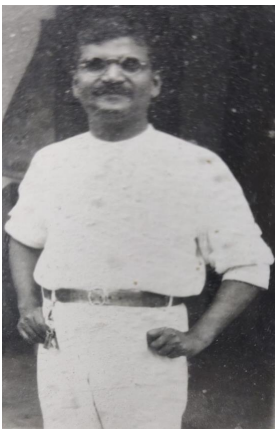
Dr. Rathnam Vedapodakam at St. Luke’s Nazareth Hospital
Leadership and Legacy
Dr. Vedapodakam continued his medical work until the age of 92.
As he advanced in age, with no successor in his family to continue his mission, he entrusted the hospital and rehabilitation centre to the Bishop of Tirunelveli Diocese.
Although some were unhappy with his decision, he remained resolute. A man of discipline, principle, and integrity, he lived by God’s word, undeterred by public opinion. He never succumbed to pressure or manipulation.
After his death in 1980, he was laid to rest in Vellore beside the renowned Dr. Ida Scudder, the founder of CMC Vellore.
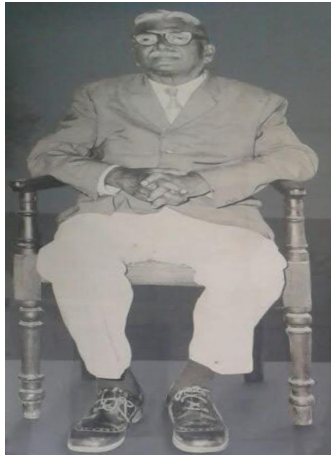
Dr. Rathnam Vedapodakam at St. Luke’s Peikulam Hospital
Continuing the Mission
After his demise in 1980,
Times have changed, people have changed.
Administration has changed, governments have changed.
Staff have changed, infrastructure has changed.
Treatment methods have changed, protocols have changed.
But the need for care, concern, and commitment remained unchanged.
St. Luke’s Medical Trust carries forward Dr. Vedapodakam’s vision of medical service:
- Providing effective healthcare without discrimination.
- Caring for leprosy-affected patients through medical, surgical, and rehabilitation care.
- Offering occupational and educational assistance to families impacted by leprosy.
- Providing food, clothing, and shelter to patients requiring long-term hospitalization.
- Caring for the vulnerable, neglected, orphans, and destitute.
- Supporting elderly citizens to live with dignity.
- Aiding mission hospitals serving people in areas of need.
St. Luke’s Medical Trust incorporates a wholesome approach to patient care.
Leaders know the way, go the way and show the way.
Mr. Paul Kirubakaran Vethabothagam was the grandson of Dr. Rathnam Vedapodakam.
He was involved with many leprosy relief activities in his youth. He frequently accompanied his grandfather during village missions and house visits.
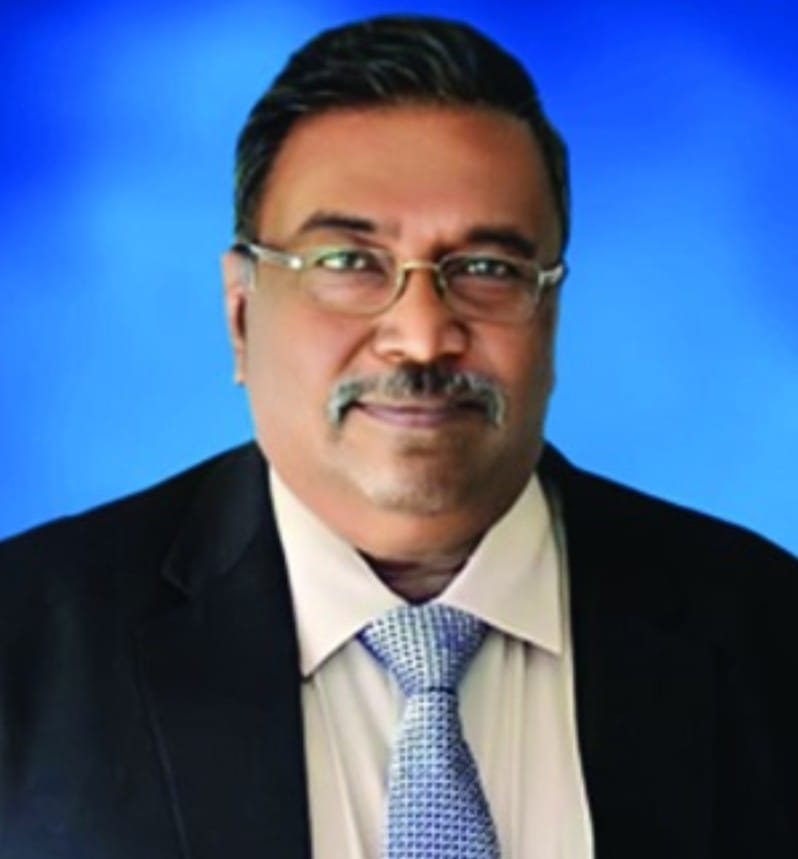
Mr. Paul Kirubakaran Vethabothagam
1953–2023
He graduated to become a marine biologist.
He continued his association with Peikulam Hospital and contributed immensely towards fundraising and donations. He was a non-medical professional, but his efforts ensured continuity in compassionate medical care.
Witnessing administrative changes affecting leprosy relief activities deeply concerned him. His wish and will was to restore the commitment of his grandfather towards patients suffering from leprosy.
He encouraged his eldest son to become a doctor, who is now involved in leprosy work.
ST. LUKE’S MEDICAL TRUST stands to honour of him.